No products in the cart.
The Rise of Minimal Frames in Luxury Indian Architecture
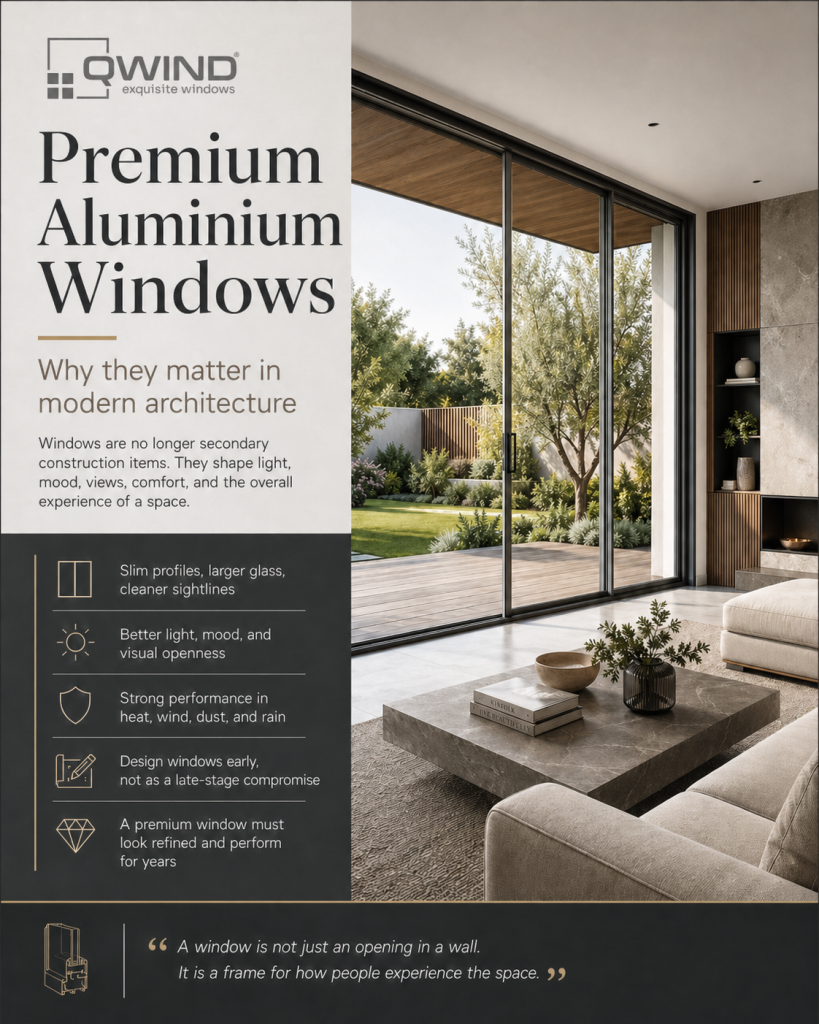
The most powerful design detail in a modern home is often the one that almost disappears. Minimal frame windows prove that restraint can be more expressive than ornament.
Indian architecture is moving toward cleaner lines, larger openings, softer transitions, and more visual calm. From Hyderabad villas to premium apartments, farmhouses, boutique offices, and hospitality spaces, clients are asking for spaces that feel open, bright, and quietly sophisticated.
This shift has made minimal frame windows one of the strongest design preferences in contemporary architecture.
Minimal frames are not just about looking sleek. They are about reducing visual interruption. They allow glass, light, landscape, materials, and proportions to take center stage. In a premium home, the window frame should not fight for attention. It should support the architecture.
For architects and interior designers, this creates a new responsibility. The slimmer the frame, the more important the detailing becomes. Every junction, track, handle, sill, lock, and finish must feel intentional.
Why Minimal Frames Feel More Architectural
Minimal frame windows change the way a room is perceived.
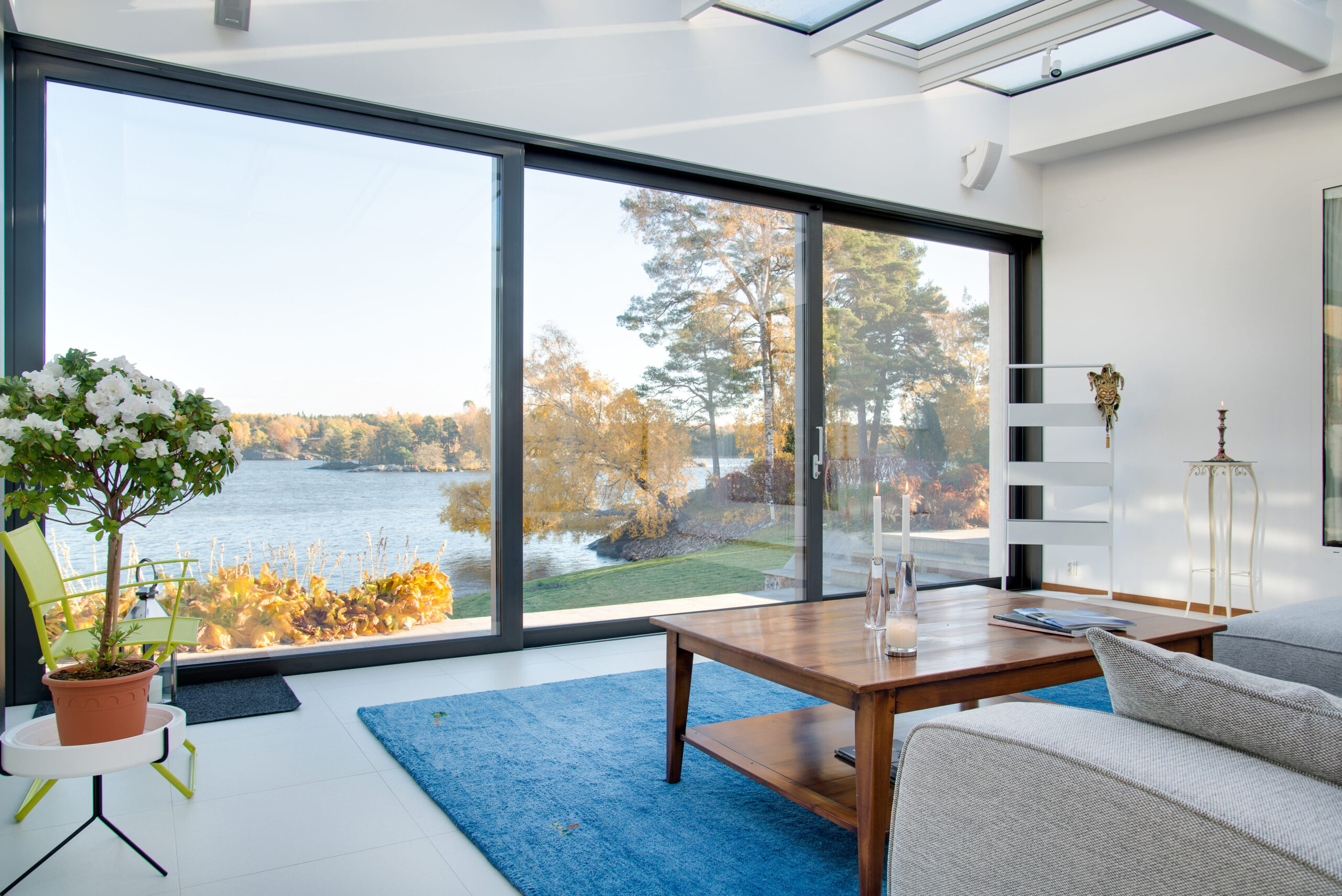
When frames are bulky, the eye stops at the window. When frames are slim, the eye moves through the window. This creates a sense of openness that is especially valuable in dense urban homes, compact apartments, and villas with strong landscape connections.
In a high-rise apartment, minimal frames can make a balcony view feel wider and cleaner. In a farmhouse, they can create a calm connection between the living room and the outdoors. In a showroom, they allow products, displays, and interiors to stay visually dominant.
This is why minimal frame windows are often associated with refined architecture. They do not shout. They create clarity.
The beauty lies in visual discipline. The frame becomes a quiet line rather than a heavy border. The glass becomes a surface for light, reflection, and view.
The Indian Context: Heat, Dust, Rain, and Daily Use
Minimal frames may look delicate, but in Indian conditions, they must perform with strength.
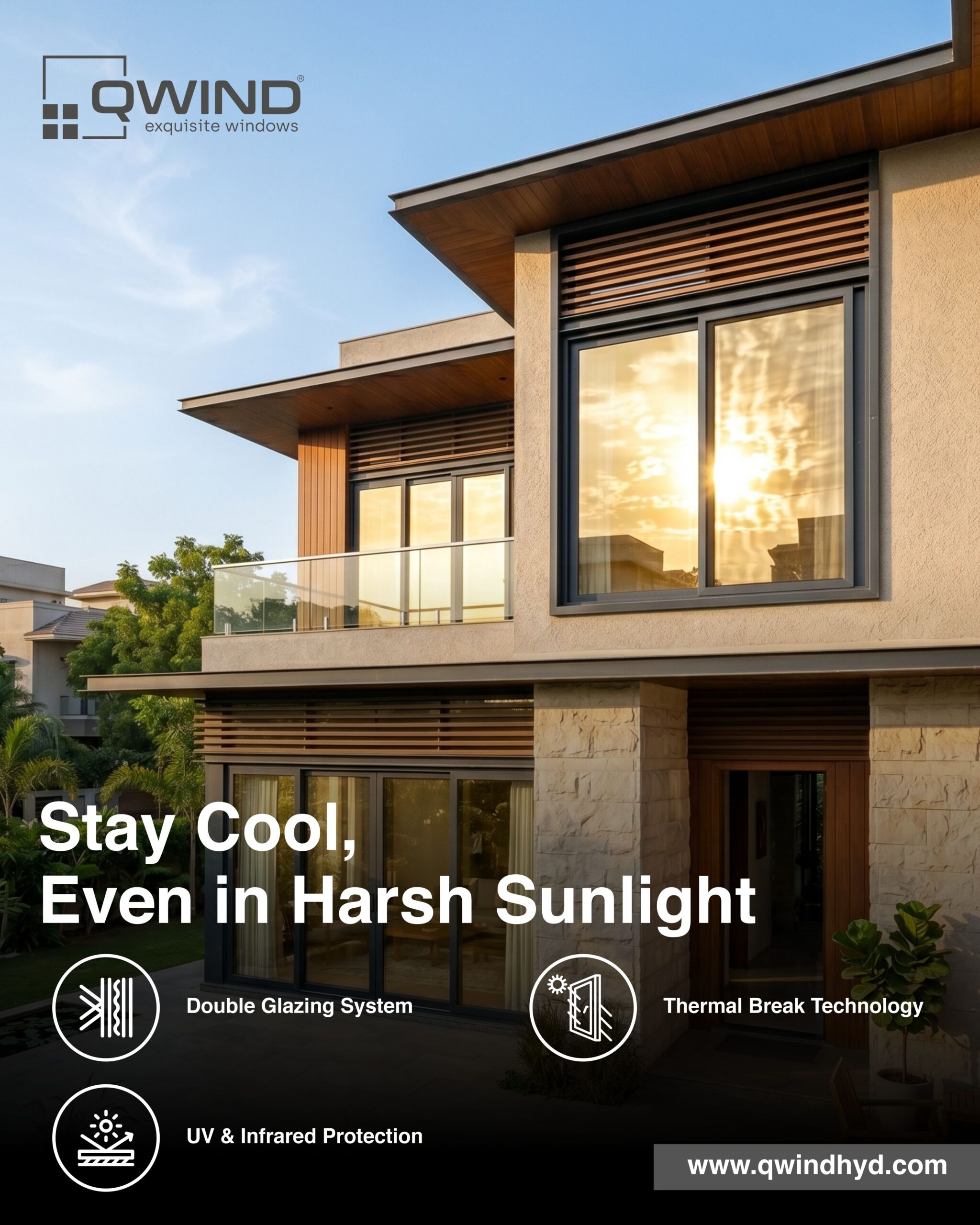
Homes in Hyderabad and other Indian cities face intense sunlight, dust, temperature shifts, monsoon rain, noise, and frequent usage. A minimal frame system that only looks good in photographs but fails in daily performance is not suitable for serious architecture.
This is where aluminium becomes important.
Aluminium allows slim yet strong profiles. It can handle larger glass sizes, maintain dimensional stability, and support precise finishes. Well-designed aluminium systems can include proper drainage, sealing, locking, rollers, tracks, and glass compatibility without making the frame visually heavy.
For architects, this means minimalism does not have to come at the cost of performance. With the right system, it can deliver both.
The challenge is to avoid confusing “thin-looking” with “well-engineered.” A premium minimal frame system must be judged by its structure, movement, sealing, finish quality, and installation accuracy.
Design Impact in Villas, Apartments, and Commercial Spaces
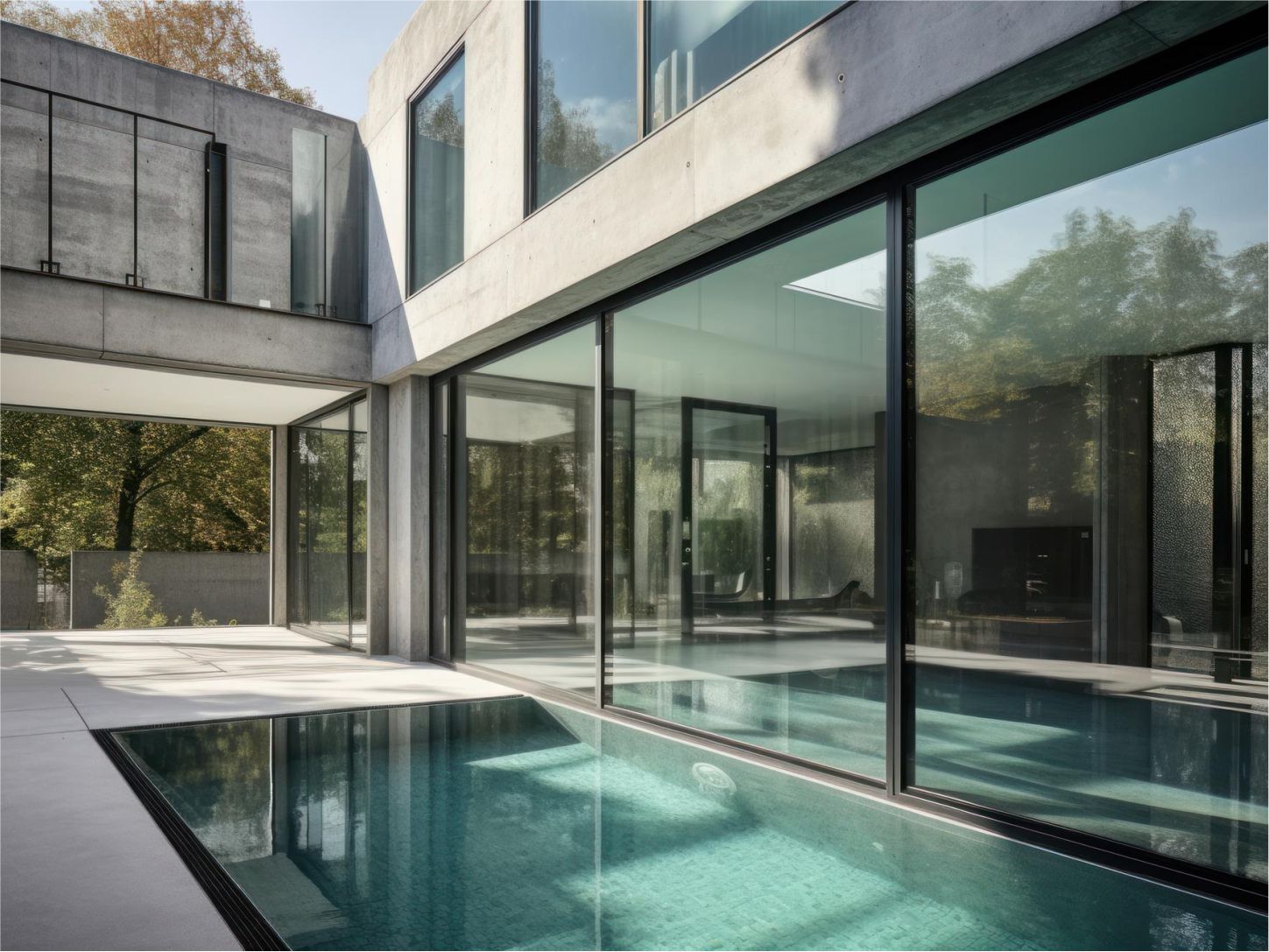
In villas, minimal frames help create seamless views toward gardens, courtyards, pools, and terraces. A living room with a large sliding door can become a transitional space between architecture and landscape.
In high-rise apartments, slim frames make interiors feel less boxed in. They are especially useful where city views, balcony spaces, or natural light are key selling points.
In premium offices, minimal aluminium frames bring in daylight without making the space feel casual. They support a sharp, contemporary work environment.
In hospitality spaces, such as boutique resorts or restaurants, minimal frames create memorable guest experiences. A restaurant facing a landscaped court or lake view becomes more immersive when the window system does not visually interrupt the scene.
The design effect is subtle but strong. Minimal frames increase perceived space, improve visual flow, and make interiors feel more considered.
Common Mistakes When Choosing Minimal Frames
The first mistake is focusing only on frame width.
A minimal frame is not successful just because it looks thin. It must also operate smoothly, seal properly, support the right glass, and suit the size of the opening.
The second mistake is ignoring installation tolerance. Minimal systems leave little room for poor workmanship. Uneven tracks, misaligned panels, improper sill levels, and weak sealing become more visible in slim designs.
The third mistake is selecting the wrong finish. In premium interiors, frame color must relate to the larger palette. Black frames may look dramatic, but they are not always the best choice. Champagne, grey, bronze, white, or custom powder-coated tones can sometimes create a softer architectural result.
The fourth mistake is using minimal frames in the wrong location without considering privacy, heat, glare, or maintenance. A west-facing glass wall may look stunning in a render but uncomfortable in reality without the right glass, shading, and ventilation strategy.
Minimal design needs more thought, not less.
How Premium Aluminium Systems Support Minimal Design
Premium aluminium systems allow architects to pursue slim sightlines while maintaining performance.
They can support large sliding panels, fixed glass corners, balcony enclosures, tall windows, and wide openings. The strength of aluminium makes it suitable for projects where glass needs to feel expansive but structurally reliable.
For design-led projects, this matters because clients often want openness without visual clutter. They want large glass, smooth operation, clean finishes, and a sense of quiet precision.
Minimal aluminium systems also help interiors feel more cohesive. When frame lines are reduced, flooring, ceiling, furniture, lighting, and wall finishes can take visual priority.
In many projects, the best window system is the one clients barely notice because everything simply feels right.
Mini Case Study: A Farmhouse That Needed Less Frame, Not More Design
A farmhouse outside Hyderabad had a strong architectural concept: open living spaces facing a central lawn. The first window proposal used conventional thick frames for all major openings.
On paper, the plan worked. On site, the frames made the view feel fragmented. The lawn looked separated from the living room, and the architecture lost its calmness.
The design team shifted to minimal aluminium sliding systems for the main living and dining openings. The frame finish was kept close to the interior metal accents, and the track was detailed to reduce visual disruption.
The change was immediate. The home felt wider, quieter, and more connected to the landscape. No additional décor was needed. The reduced frame became the design upgrade.
Reflection Checklist
Before choosing minimal frame windows, ask:
- Is the system structurally suitable for the opening size?
- Will the glass specification handle heat, glare, sound, and safety needs?
- Is the frame finish aligned with the interior and façade palette?
- Can the site team execute the installation with precision?
- Does the minimal frame improve the experience, or is it being used only for appearance?
Practical Takeaways
The goal is not to make the frame disappear completely, but to make the architecture feel uninterrupted.
Minimal frames are about visual clarity, not just thin profiles.
Indian conditions require slim systems with strong engineering.
Minimal frame windows work best when planned with glass, shading, and installation details.
Premium aluminium systems help balance elegance, strength, and long-term usability.