


No products in the cart.
The Invisible Comfort Upgrade: How Better Windows Transform Light, Air, and Daily Living
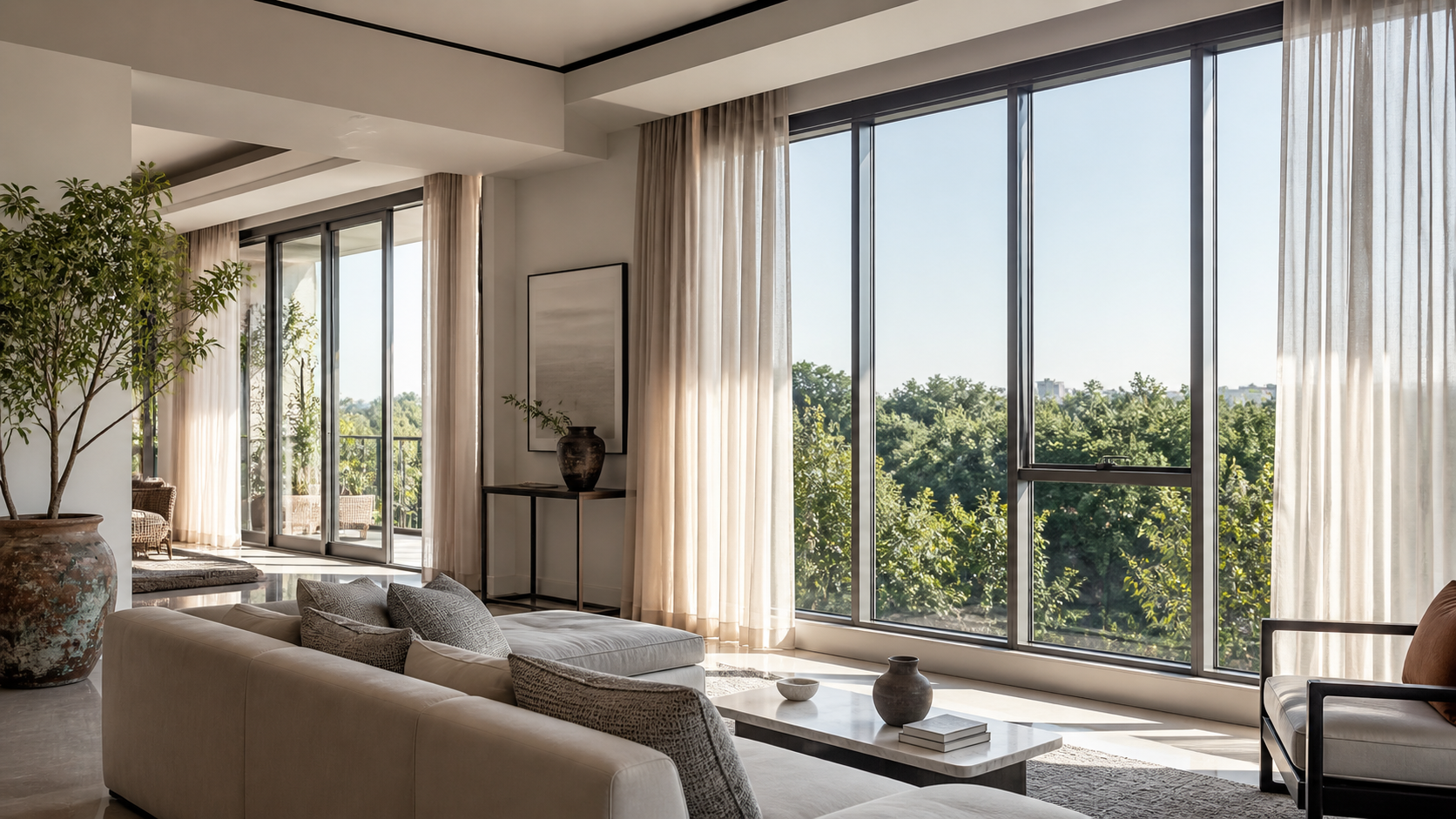
A room does not feel beautiful only because of expensive flooring or furniture. Often, it feels beautiful because the light enters softly, the air moves well, and the windows quietly support comfort.
Windows control how natural light, ventilation, outdoor views, heat, sound, and privacy interact with your home. The right window is not just a frame with glass. It is a comfort system.
This matters because modern homes and commercial spaces are expected to feel bright, calm, energy-conscious, and easy to live in. Poor window choices can create dark corners, harsh glare, trapped heat, bad airflow, and uncomfortable rooms.
Before choosing aluminium windows in Hyderabad, homeowners and professionals should think beyond size and colour. The better question is: how should this room feel at 8 AM, 2 PM, and 8 PM?
Natural Light Should Be Designed, Not Just Allowed
Many people assume bigger windows automatically mean better light. That is not always true. A large window in the wrong direction can bring harsh glare and heat. A small but well-positioned window can make a room feel soft and balanced.
Good window planning considers direction, opening size, glass type, frame thickness, and room function. A living room may need generous daylight and wide views. A bedroom may need softer morning light. A study may need controlled brightness without screen glare.
Aluminium windows help because they can support larger glass areas with slimmer frames. This allows more daylight without making the elevation look heavy.
For design-conscious homes, the quality of light matters as much as the quantity. The goal is not to flood every room blindly. The goal is to shape the light so the space feels comfortable and premium.
Ventilation Affects Health, Freshness, and Mood
Ventilation is one of the most underrated parts of home design. A room with poor airflow can feel stale even if it looks expensive.
The right window placement and opening style can improve air movement. Casement windows can capture breeze effectively. Sliding windows can provide wide, easy openings for larger spaces. Combination planning can allow cross-ventilation, where fresh air enters from one side and warm air exits from another.
In kitchens, bathrooms, and utility spaces, ventilation becomes even more important. It helps remove odours, moisture, and heat. In bedrooms, good airflow can improve sleep comfort.
A common mistake is focusing only on the window’s appearance and ignoring how much of it actually opens. Some large windows may look impressive but provide limited ventilation. This is why design and function must be planned together.
Comfort Also Depends on Heat, Dust, and Noise Control
Windows are the thin line between indoor comfort and outdoor conditions. In a city environment, they must manage heat, dust, rain, and sound.
This does not mean every home needs the most expensive glass or the heaviest system. It means the window should be selected according to the location and usage.
A home facing a main road may need better acoustic comfort. A west-facing room may need glass that helps reduce heat. A balcony opening may need smooth sliding performance and proper sealing. A high-rise apartment may need stronger wind resistance.
Premium aluminium windows can support different glass options and better sealing systems. This helps customise performance without compromising design.
Qwind-style aluminium systems solve this by treating the window as a complete package: profile, glass, hardware, sealing, installation, and room requirement. This approach is more reliable than choosing a frame first and solving problems later.
Window Placement Can Change How Spacious a Room Feels
Windows can make a room feel larger, taller, warmer, calmer, or more connected. This is why architects think carefully about window proportions.
A low, wide window can stretch the room visually. A tall window can add a sense of height. A corner window can open the room dramatically. A large sliding door can connect a living space to a balcony or garden.
In apartments, where room sizes are often fixed, smart window design can make a huge difference. A slim aluminium frame with a larger glass area can reduce visual clutter and create a more open feeling.
In villas, windows can frame courtyards, gardens, water features, or outdoor seating zones. The window becomes a design lens through which the home experiences its surroundings.
Maintenance Keeps Comfort Consistent Over Time
A window that performs well in the first month but becomes difficult after two monsoons is not a good investment. Long-term comfort depends on maintenance-friendly systems.
Aluminium frames are easier to maintain compared to many traditional materials. They do not need regular polishing and are less vulnerable to swelling or termite damage.
Still, basic care is important. Tracks should be cleaned, especially for sliding windows and doors. Hardware should be checked occasionally. Drainage paths should not be blocked. Glass should be cleaned with suitable methods to maintain clarity.
A good aluminium windows company will guide you on care and usage. That after-sales guidance is part of long-term value.
Real-World Example: A Home Office That Became Easier to Work In
A homeowner in Hyderabad converted a spare bedroom into a home office. The room had poor daylight, afternoon heat, and traffic noise from the road outside. The earlier window was small and bulky, making the room feel closed.
By upgrading to a better aluminium window system with a slimmer frame, suitable glass, and improved sealing, the room became brighter without feeling harsh. Noise reduced noticeably, and the workspace felt calmer for long calls and focused work.
The improvement was not flashy, but it changed daily productivity. That is the power of the right window.
Actionable Tips Before Planning Windows for Comfort
- Study the direction of each room before deciding window size.
- Choose glass based on heat, glare, sound, safety, and privacy needs.
- Plan cross-ventilation wherever possible.
- Avoid bulky frames in rooms where openness matters.
- Ask for a system recommendation based on room usage, not just budget.
Practical Takeaways
- Good windows improve light, air, comfort, and mood.
- Bigger windows are not always better unless planned well.
- Ventilation depends on opening style and placement.
- Heat, dust, and noise control should be considered early.
- Qwind-style systems help match window performance with the way each space is used.