

No products in the cart.
Sliding or Casement? The Window Choice That Quietly Changes How Your Room Works
Two windows can look good on a drawing, but only one may actually suit the way you live in that room. That is why the sliding vs casement decision deserves more attention than most homeowners give it.
Sliding windows move horizontally along a track. Casement windows open outward or inward on hinges, similar to a door. Both are popular window styles, but they serve different design and performance needs.
This choice matters because windows affect airflow, space usage, cleaning, safety, sound control, and the overall look of the room. A wrong choice may not seem dramatic at first, but over time it can create daily irritation.
For homeowners, architects, builders, and interior designers, understanding the difference between sliding windows and doors and casement windows can help create spaces that feel better planned and easier to use.
Sliding Windows Are Great When Space Is Limited
Sliding windows are ideal when you want a clean look without needing extra swing space. Since the panels move sideways, they do not open into the room or project outward. This makes them useful for apartments, balconies, corridors, compact bedrooms, and spaces with furniture placed near the window.
For example, in a dining area where a table sits close to the wall, a casement window may interfere with movement. A sliding window keeps the opening practical and neat.
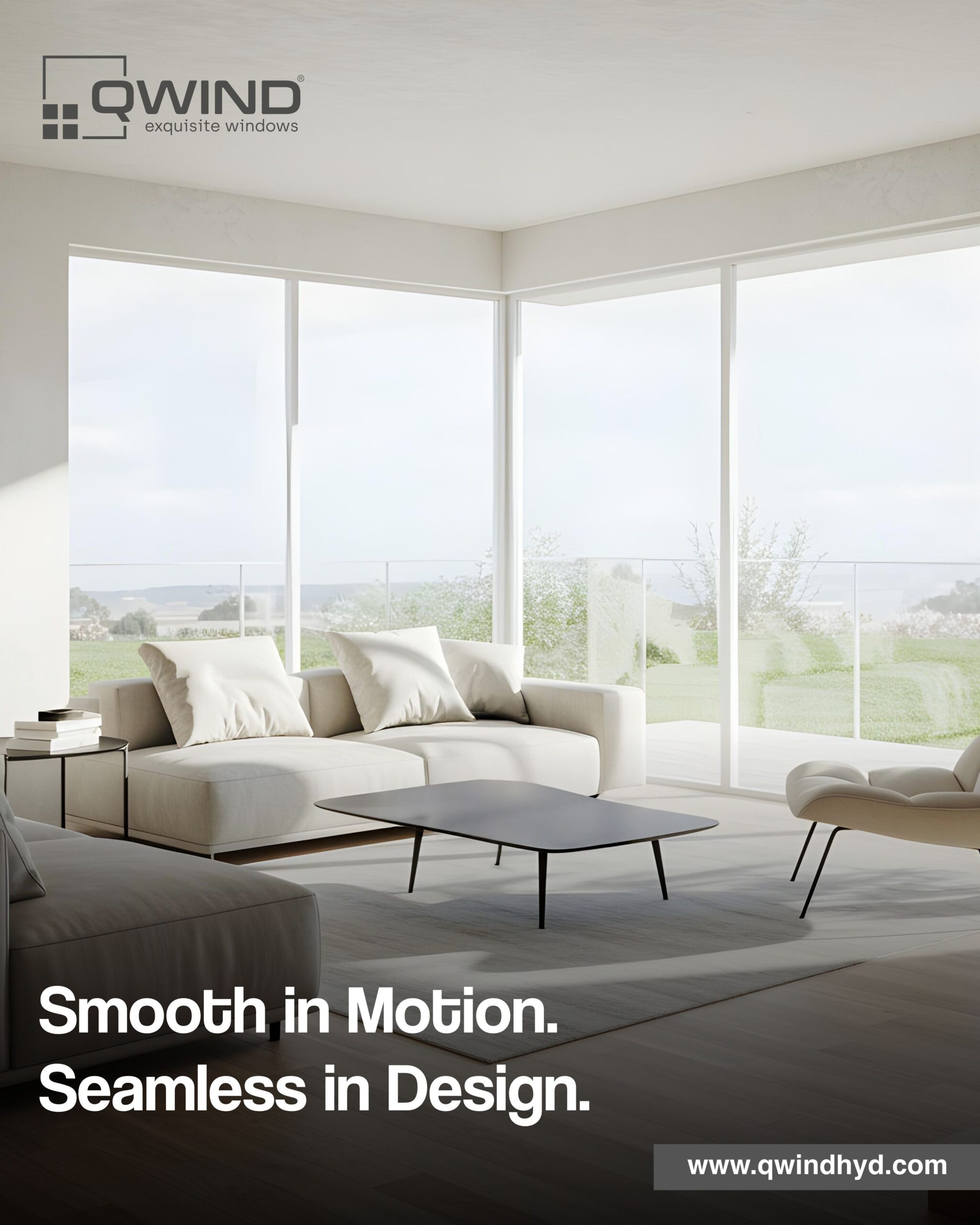
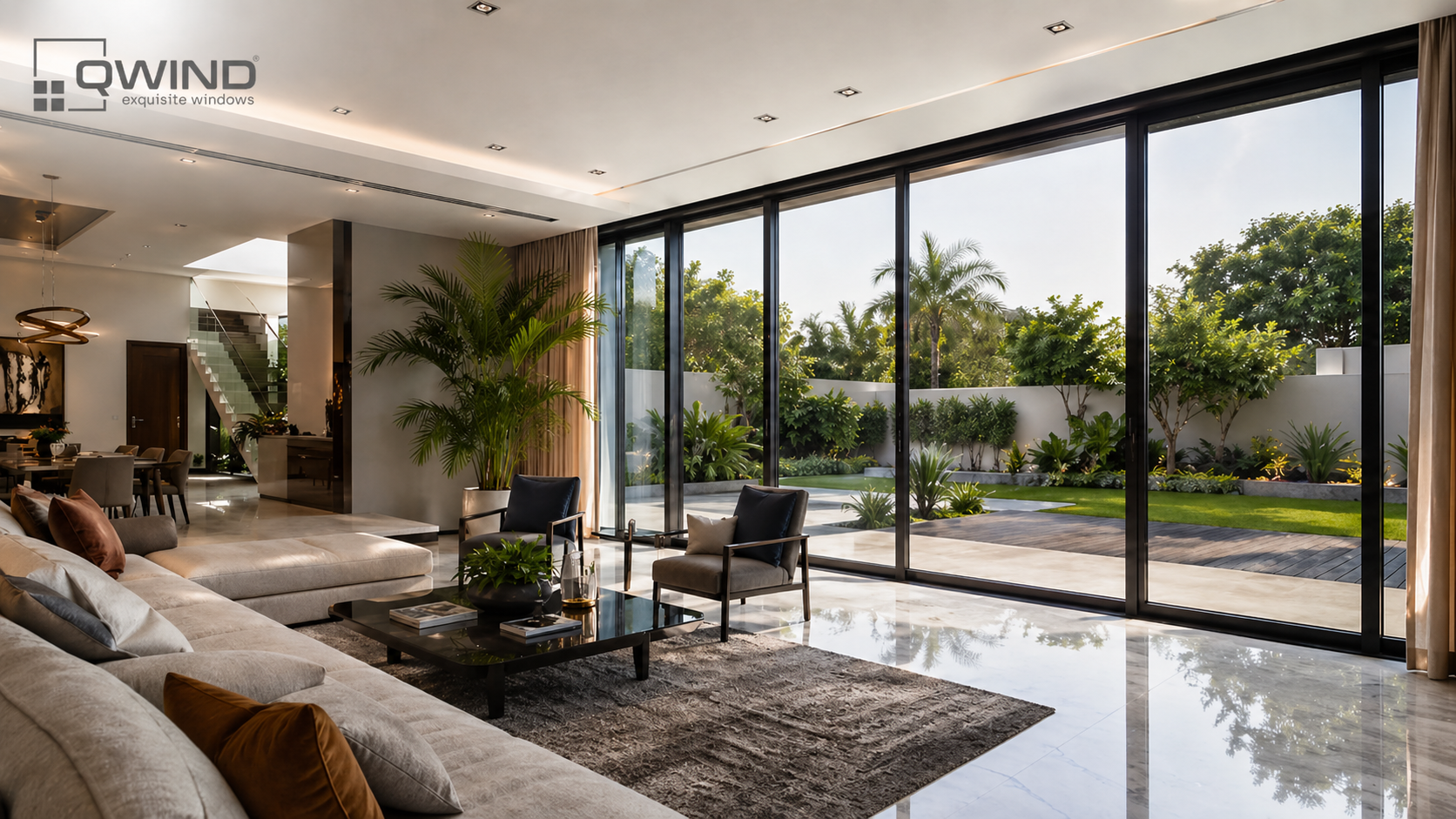
Sliding systems also work well for large openings. They are commonly used for balcony doors, living room openings, and commercial spaces where wider glass panels create a better connection with the outside.
From a design point of view, sliding aluminium systems can look sleek and modern. When paired with slim profiles, they allow generous glass area and a clean elevation.
Casement Windows Offer Stronger Ventilation and Sealing
Casement windows are often preferred when ventilation is the main priority. Because the sash opens fully, they can catch and direct breeze into the room more effectively than a standard sliding window.
They are useful in bedrooms, kitchens, utility areas, bathrooms, and rooms that need better air movement. When closed, a good casement system can also provide strong sealing because the sash presses against the frame.
This can help reduce dust, noise, and water entry when the system is well designed and installed. For homes near busy roads or dusty surroundings, this can be a major benefit.
However, casement windows need space to open. If they open outward, you must check external obstructions, grills, ledges, neighbouring walls, and safety concerns. If they open inward, they may clash with curtains, furniture, or interior movement.
Design Style Should Match the Room’s Purpose
One common mistake is using the same window type across the entire project without thinking about room function. This may simplify procurement, but it can reduce comfort.
A living room with a wide garden view may benefit from a sliding aluminium system. A kitchen may need a casement window for stronger ventilation. A study may need a window that closes tightly for better sound control. A balcony may need sliding doors that save space and allow easy movement.
The best projects use windows as part of the design strategy, not just as standard openings. This is especially important in premium homes where every room has a different mood and purpose.
Modern window design is not about choosing one style and forcing it everywhere. It is about choosing the right system for the right situation.
Performance Depends on Quality, Not Just Window Type
Many people ask, “Which is better, sliding or casement?” The honest answer is that both can be excellent when designed and installed properly.
A poor-quality casement window can leak or become difficult to close. A poor-quality sliding window can rattle, collect dust in the track, or become hard to operate. The system quality matters as much as the opening style.
When evaluating aluminium doors and windows Hyderabad homeowners should check profile strength, roller quality, locking systems, glass compatibility, sealing, drainage, and installation standards.
For sliding systems, rollers and tracks are critical. The movement should feel smooth and stable, not shaky. For casement systems, hinges, handles, gaskets, and locking points are important. The closing action should feel firm and secure.
Qwind-style aluminium systems approach both window types with attention to usability. The idea is simple: the window should feel good not only when it is new, but after years of daily use.
Maintenance and Daily Use Should Influence the Choice
Sliding windows need periodic track cleaning because dust can collect in the lower channel. This is especially important in cities where construction dust and road dust are common.
Casement windows may need occasional hinge and hardware checks. If they are outward opening, cleaning the outer glass can be slightly more difficult depending on the location.
For families with children or elderly members, ease of operation also matters. Large sliding doors should glide smoothly. Casement handles should be easy to reach and operate.
You should also think about curtains, blinds, mosquito mesh, safety grills, and balcony railings. These elements can affect how practical the window feels after installation.
Real-World Example: An Apartment That Needed Two Different Solutions
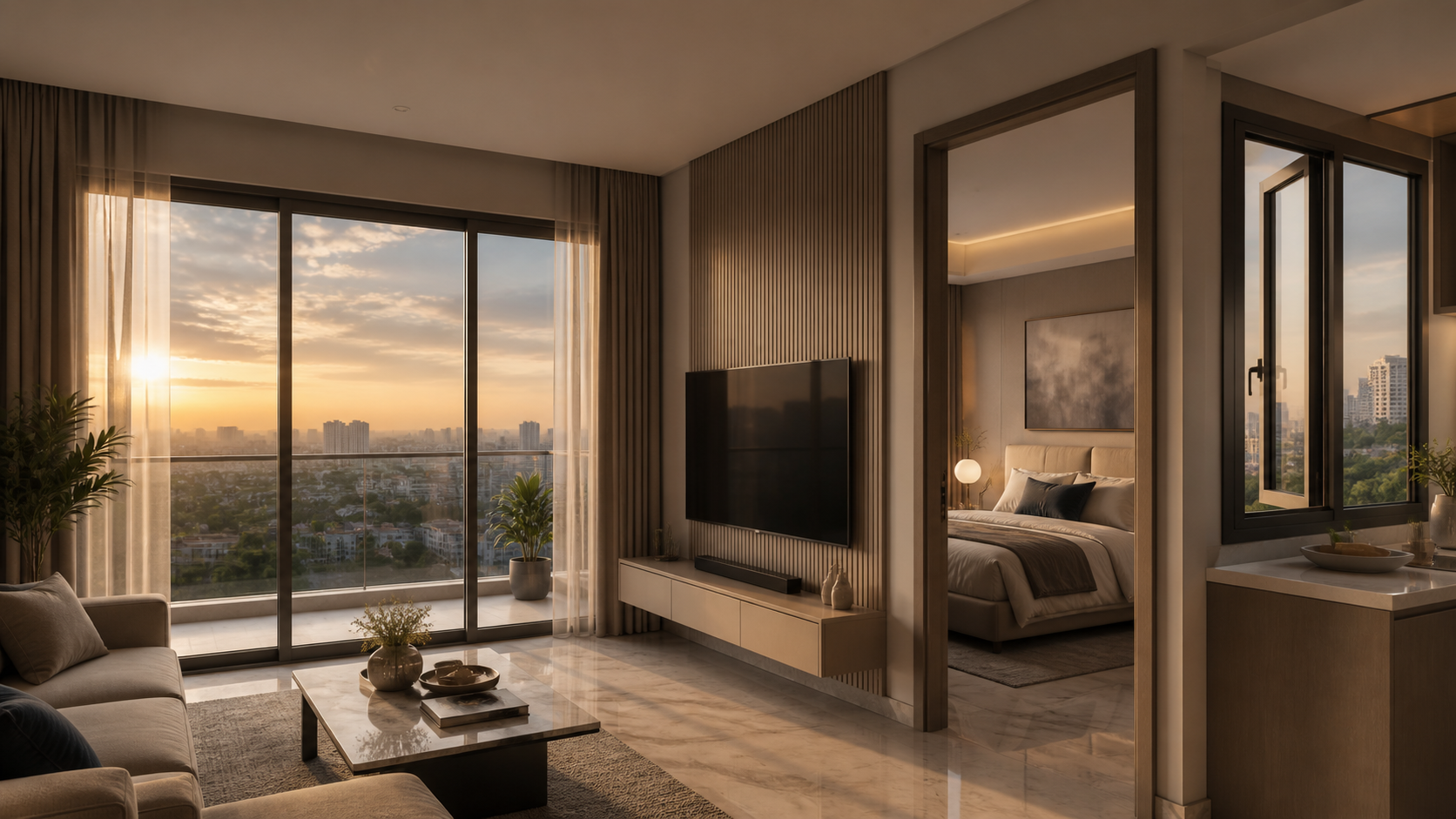
A homeowner in a Hyderabad apartment initially wanted sliding windows throughout the home for a uniform look. After reviewing the room usage, the living room and balcony were fitted with sliding aluminium doors to save space and maximise the view.
The bedrooms used casement windows for better sealing and ventilation. The kitchen also used a casement opening to help remove heat and cooking smells faster.
The result was a home that looked consistent but worked better in daily life. The owner did not have to choose one system for every room. The right mix created better comfort.
Actionable Tips Before Choosing Sliding or Casement Windows
- Choose sliding windows where space-saving and wide views matter.
- Choose casement windows where ventilation and sealing are priorities.
- Check furniture placement before finalising opening direction.
- Ask your window company to explain hardware quality clearly.
- Plan mosquito mesh, curtains, and grills before installation.
Practical Takeaways
- Sliding windows are practical for wide openings and compact spaces.
- Casement windows are strong choices for ventilation and tighter sealing.
- The room’s purpose should guide the window type.
- Hardware and installation quality decide long-term performance.
- Qwind can help homeowners choose the right system instead of forcing one style everywhere.